Some mums need or choose to combine feed by doing both breastfeeding and formula feeding. Feeding your baby doesn’t have to be only breastfeeding or only formula, a combination can work well for you and your baby, but it may need a plan to work well.

This comes up a lot in my postnatal sessions and mums can need to do this for a number of reasons:
- top up feeds as part of a weight-gain plan
- so their baby can take a bottle
- to ease the pressure on them, so they can share the feeding
- to take a break, to go out, to go away, to go back to work
- easing stress and pressure
- as part of making the switch from breastfeeding to bottle-feeding
There’s no firm advice on how to do this but having a plan and some consistency can be important – this will help with your milk production as well as eventually building a gentle routine.
You might choose mixed feeding because you need to do top-ups to help with weight-gain, you may want to give your baby a regular bottle each day or you want to continue with breastfeeding but you need to do more bottle feeds than breastfeeds.
Remember, there isn’t a right way for everyone to do this but there is a right way for you and your baby.
Top-Up Feeds
This can be suggested if your baby is slow to gain weight. I would also suggest that it is worth getting breastfeeding support as well to provide reassurance plus feeding advice to help with weight gain.
Giving top-ups can provide peace of mind for some new parents, it means they relax more, which could make breastfeeding more successful.
Put a top-up feeding plan together with your health visitor or with a lactation consultant – some parents introduce a formula feed a day, while others give a small amount of formula after a breastfeed.
Regular Bottle Feeds
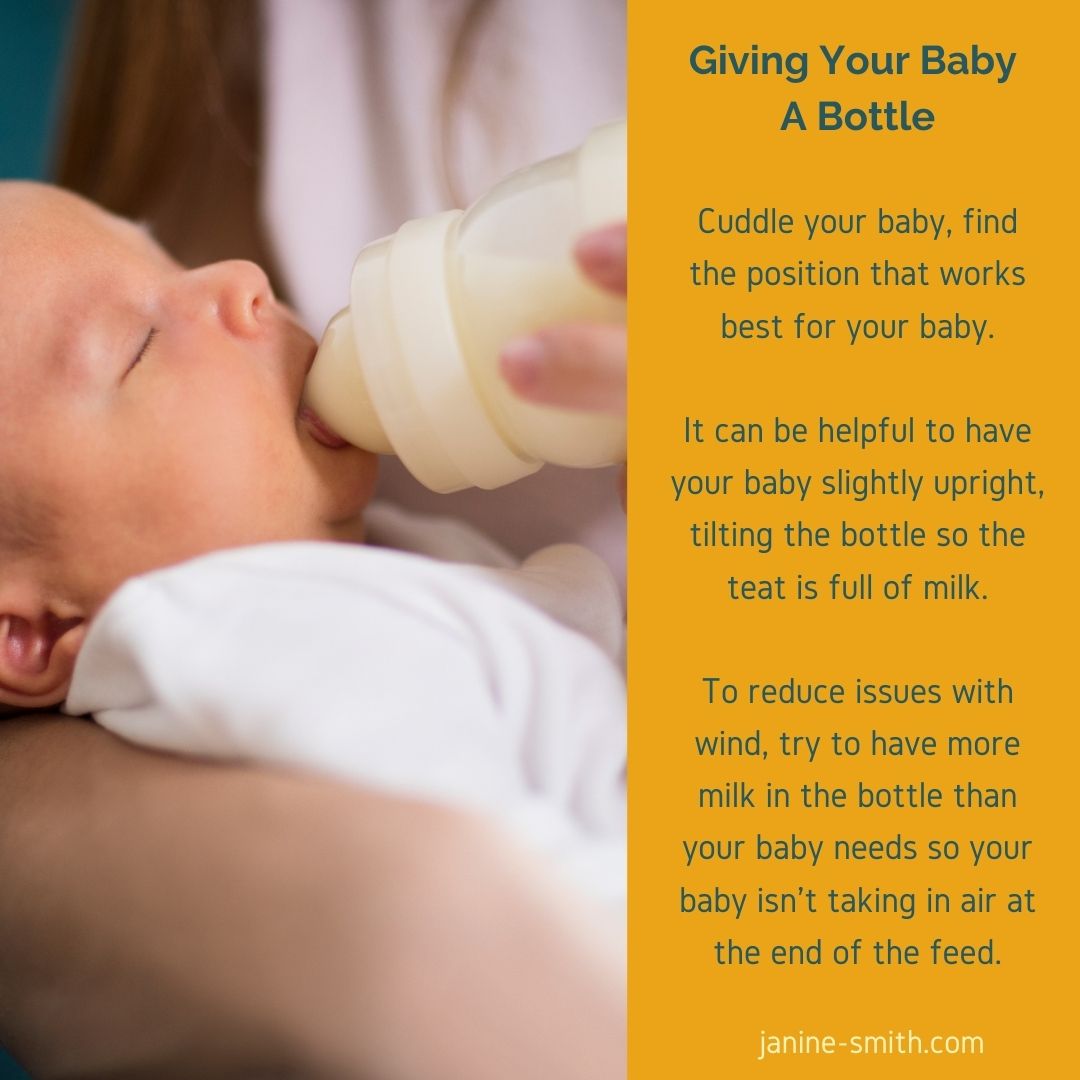
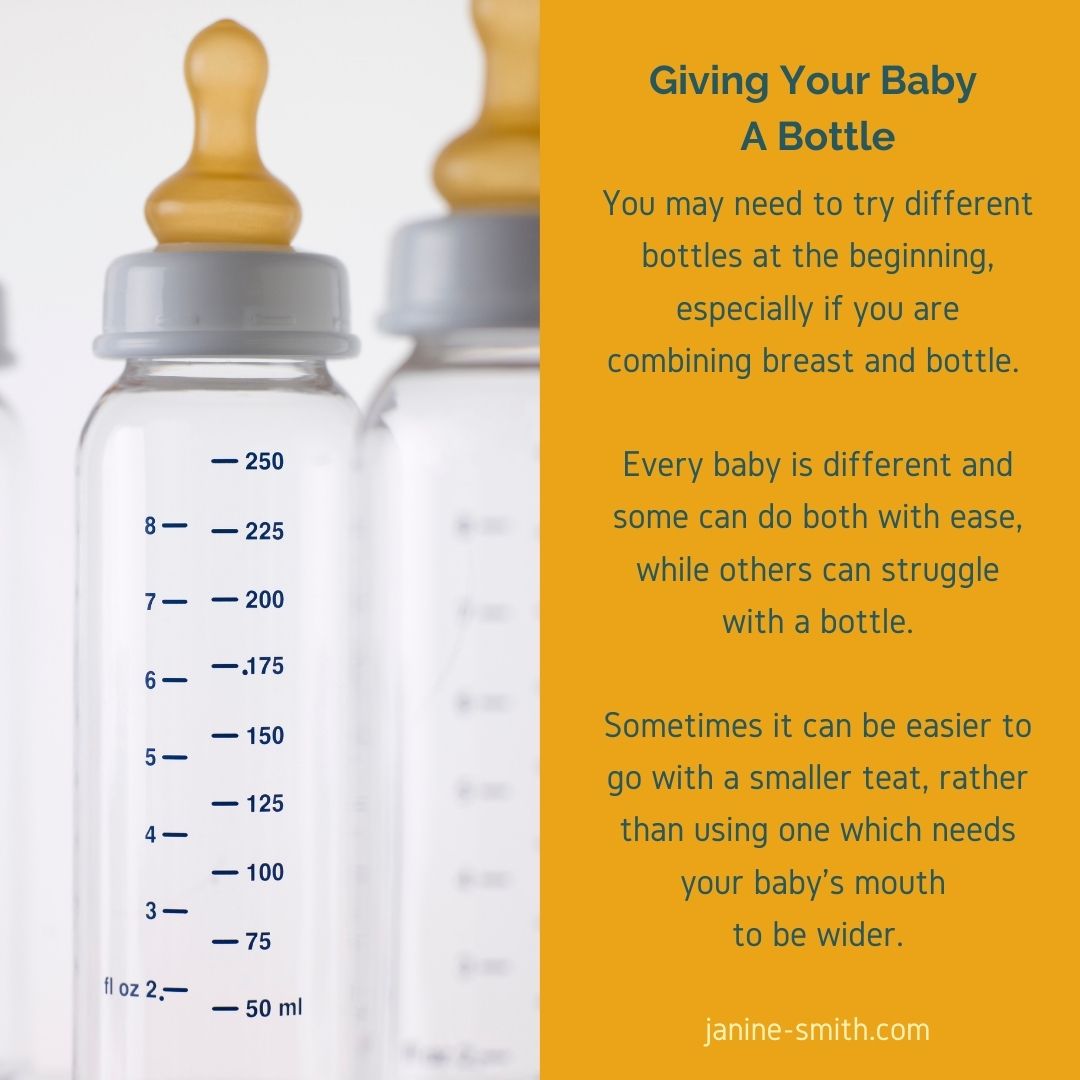
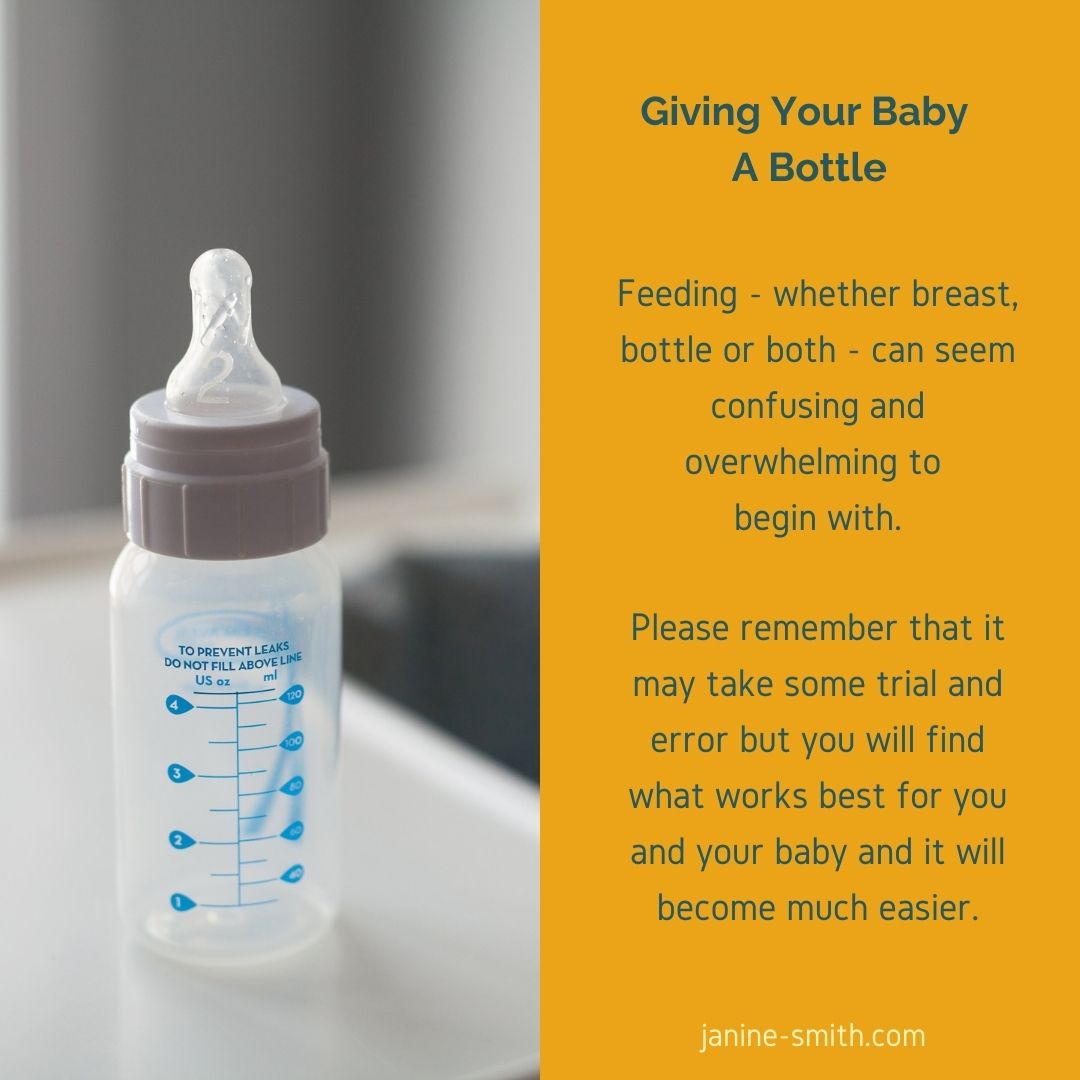
I speak to a lot of parents who want their baby to be able to take a bottle, and ideally that bottle will be given by someone else so they can have a break or a rest.
Again, there is no firm advice on when to do this but I feel that within the first month is a good time to start – leaving it too long could mean your baby refuses a bottle, which also comes up a lot in my postnatal sessions.
Consistency is also important – if your baby can have a bottle at a similar time each day, this will help with your milk production and with any planned rest.
Planned Breastfeeds
This is about making breastfeeding work for you – it doesn’t have to be the main source of your baby’s food. I talk to a lot of women who want to breastfeed but don’t feel comfortable doing it when out and about or they don’t have confidence in it because of their baby’s weight gain or potential milk production issues or they just don’t enjoy it.
While some women will move completely over to formula-feeding, some are keen to retain some breastfeeds.
Again, this is also about having a plan – decide which feeds you want to be breastfeeds and when you want to bottle-feed. As an example, some women are happy to feed in the evening and during the night as it settles their baby but they are keen to bottle-feed the rest of the time.
This option is all about keeping some breastfeeding going, when mums wants this, rather than feeling that it’s not working and dropping breastfeeding completely. It’s certainly worth trying.
Please don’t hesitate to message me to arrange a conversation to talk through your questions.

Welcome To Your Antenatal Course
1. Labour
2. Birth
3. Pain Management
4. Labour & Birth Challenges
5. Meeting Your Baby
6. Your New Baby
7. Relax & Breathe Resources
 antenatal & postnatal specialist
Leave a Reply