Every new mum is different – some women bounce back after pregnancy and birth while others need longer to feel well and back to normal again. Your body might feel quite unfamiliar for a while after you have given birth – it needs time to rest and heal from pregnancy and birth and that can take a few months.
The First Week

It is totally normal to feel bruised and tired after you have given birth – your body has worked hard to grow and birth your baby. You may also look like you are about 4-5 months pregnant for a few weeks because your stomach muscles will be soft for a while.
You will experience lochia – bloodloss – which will be like a heavy, clotty period. You will need to change your maternity pads very regularly throughout the day. This can be heavy for the first couple of weeks before it becomes more like a normal period. Clots probably won’t be any bigger than a 50p and there shouldn’t be an odour. If you are unsure about anything, check with your midwife and your GP. This postnatal bleeding can last for up to 6 weeks.
If you have given birth vaginally, you will most probably feel stretched and out of shape. Even if you haven’t needed any stitches, you may have experienced some small tears and you will probably be bruised.
Your milk will probably come in at about day 3 after giving birth so your boobs might feel full and a bit sore if you are engorged – you can feed your baby to ease this, as well as hand express to help with any pressure.
You will probably wee a lot and you might be a bit sweaty in those early days as your body gets rid of the extra fluid that was needed in pregnancy.
If you have had stitches, you might be nervous about having a wee incase it stings – wee in the shower, in the bath or pour water over yourself as you wee on the loo to prevent stinging. Make sure you are also drinking plenty of water.
Stitches in the perineum will dissolve so you might experience some itching as this happens.
If you have had a Caesarean, your external stitches could dissolve or they may need to be removed by your community midwife about a week after giving birth.
It can be quite normal to be constipated and there can be a fear of pushing if you have any stitches – try to relax, drink plenty of water and your midwife can give you a mild laxative to help.
You may experience afterpains – which is your uterus shrinking back down to the size of a fist. These can be quite sharp, especially if this is not your first baby, and you can feel this sensation when you breastfeed because this creates oxytocin to shrink your uterus. You can take paracetamol to manage the discomfort.
You might have piles – these may have developed in pregnancy or during birth. They usually clear up on their own but tell your midwife who may recommend some treatment.
What can help?
- relax
- use your breathing techniques
- drink plenty of water
- sit as comfortably as you can
- rest – stay in bed as much as possible and focus on your baby.
- use cushions to be as comfortable as possible
By 6 Weeks

You will probably have stopped bleeding by 6 weeks – if you are still experiencing some bleeding, your GP will ask about that during your
6-week check.
If you have had a Caesarean, your wound will probably have healed by now. If you have experienced any infection, it might take longer to heal. This is also something you can talk through with your GP.
If you lost blood during the birth of your baby, you could still feel tired and run-down – mention it during your 6-week check and continue to rest as much as you can.
Your stomach muscles might still feel soft.
You might be starting to feel more like you again now, with your body becoming more familiar.
Some women start to lose their hair – chances are this is because you had thicker hair during pregnancy.
It is possible for your period to return after about 6-8 weeks, especially if you are not breastfeeding.
You will probably have your GP check between 6-8 weeks after the birth of your baby – this is a chance to check that your body is healing and to check that you are doing well. It is also an opportunity to talk about contraception.
What can help?
- water, food and rest are still important – but you are probably getting out and about now as well. Try not to over do it and listen to your body
- it is useful to duplicate changing stations around the house which can also contain water and snacks
- ask for and accept help around the house and with your baby so you can rest
By 3 Months
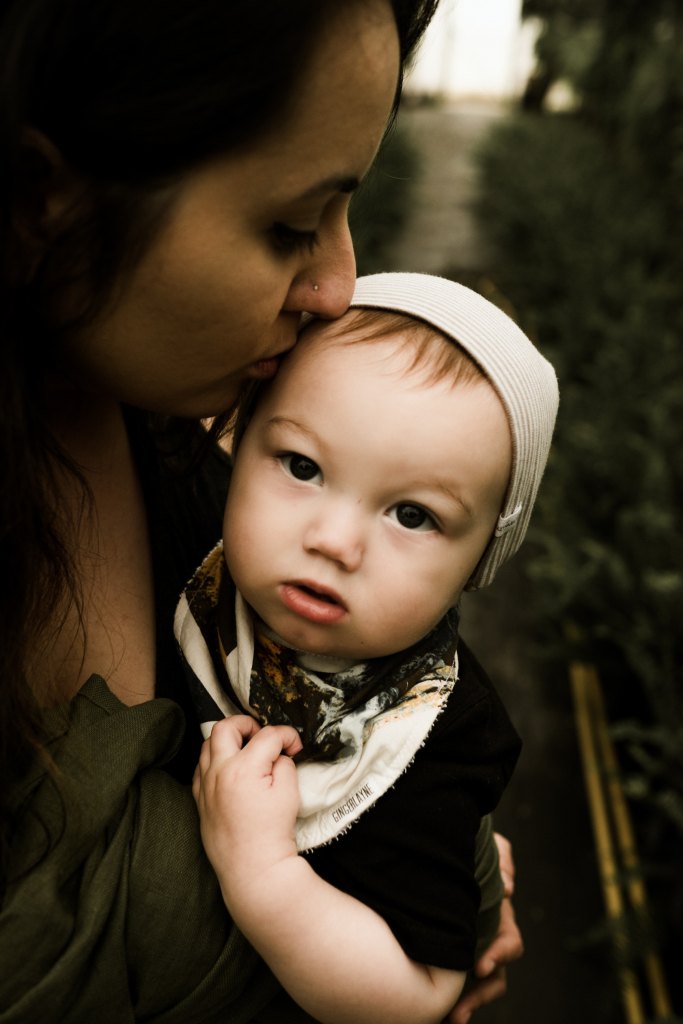
You might be feeling much more like you again. Or you might still feel like that normal is unachievable – this is also ok and a sign that you may just need more time to adjust.
You might still be losing hair – that can happen for a few months as your hormone levels change after pregnancy.
If you are doing your pelvic floor exercises, you are probably feeling stronger and less likely to wee yourself when you sneeze!
You might want to get back into exercise now – even if you are in good shape, this is still a time to exercise gently. Pregnancy hormones mean your joints and ligaments can still be loose and injuries can happen more easily for up 6 months after birth. Walking, postnatal yoga, Buggyfit, postnatal pilates and postnatal aerobics all make great exercise – if you are going to an fitness class, make sure they are qualified to teach postnatal sessions.
Your stretchmarks will be starting to fade now although it can take several months for some of them to look less angry.
The Essentials
- eat as well as possible
- drink plenty of water
- rest as much as possible
- move about
- listen to your body
- get support if you are unsure about anything
- give your body the time it needs to heal
Sources of good support and information
The Breastfeeding Network & Helpline
Welcome To Your Antenatal Course
1. Labour
2. Birth
3. Pain Management
4. Labour & Birth Challenges
5. Meeting Your Baby
6. Your New Baby
7. Relax & Breathe Resources
As you go through this module and the resources, you can make notes, jot down your questions and start to develop your action plan for labour and birth.
And please don’t hesitate to message me to arrange a conversation to talk through your questions.

 antenatal & postnatal specialist
Leave a Reply