It can also be useful to prepare for your baby: to think about what you might need, what your baby might need, what to expect and how to prepare your home for your baby.

What essentials do you need?
- baby clothes – sleep-suits, body suits, socks and a hat
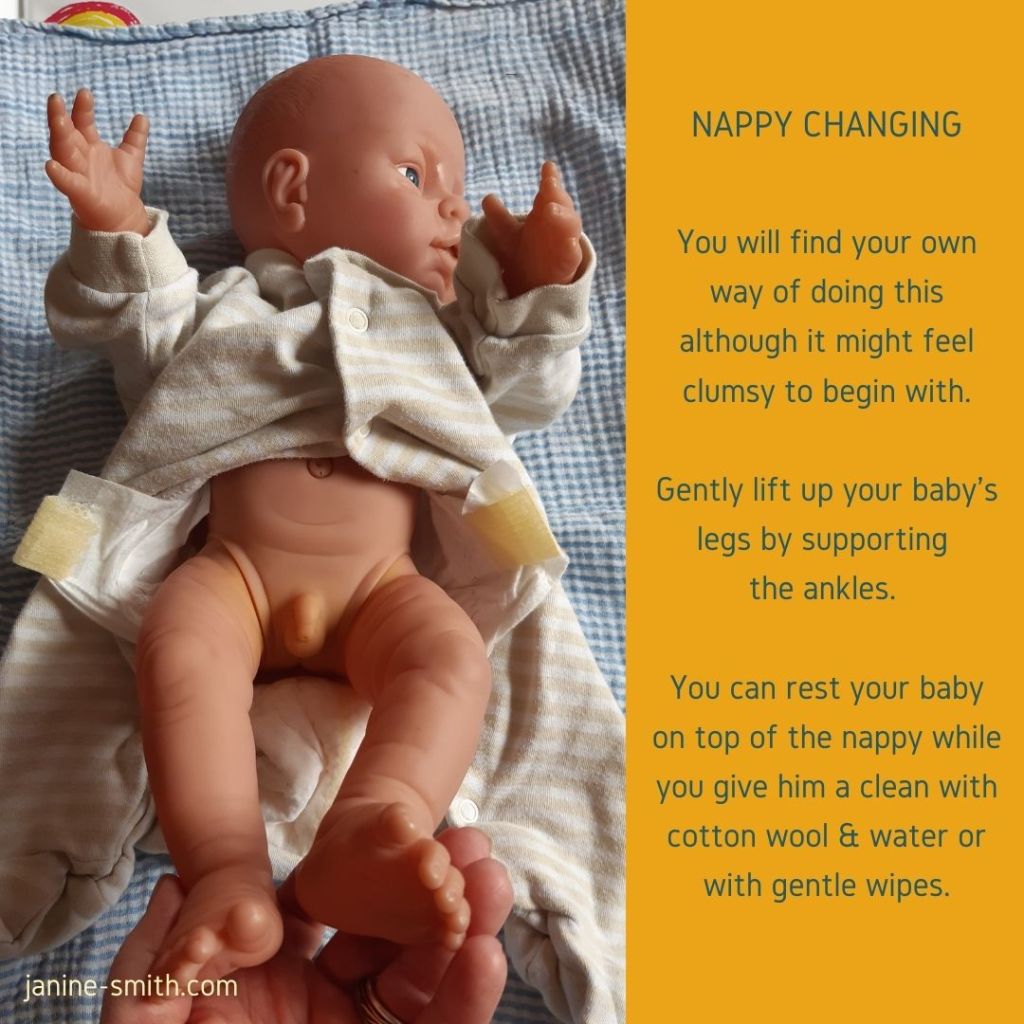
- nappies, cotton wool, cleaning cloths, wipes
- changing mat
- changing bag
- cellular blankets
- sheets
- somewhere safe to sleep – Moses basket, cot, your bed, if it has been adapted to be safe
- a sling
- car seat/pram system
- large and small muslin squares
- bottles, formula, breast-pump, silicon breast-pump sterilizing equipment – depending on how you are going to feed your baby
- v-pillow for feeding
- towels, baby sponge/cloth
- baby bath or a bath support (or you can use the sink or pop baby in the bath with you)
New babies need very little so this list will expand as your baby grows and changes and you can see what else they need.



Preparing your home for your new baby
Life with a new baby can be a bit chaotic, with no routine or much clue what you are doing – that is totally normal. You may also be tired and sore as well so it can be helpful to make your home as comfortable as possible for those early days and weeks.
Ideas include:
- batch cooking and filling your freezer with easy meals
- have food available everywhere in the house – healthy snacks as well as the treats that might get you through when you are tired
- it can be useful to have a box of useful items in the bedroom and in the living room as well. This can include changing mat, items for changing nappies, a spare set of clothes, muslin squares, some water and some snacks.
- have water and snacks everywhere – you might be thirsty and ravenous
- make your bedroom a comfortable space to rest and recover in with snacks & water, pain relief and a v-cushion
- have breast-pads, maternity pads/TENA pads handy for when you need them
- some women want to use cooling pads on their perineum or they pop maternity pads in the fridge to cool
What does you baby need?


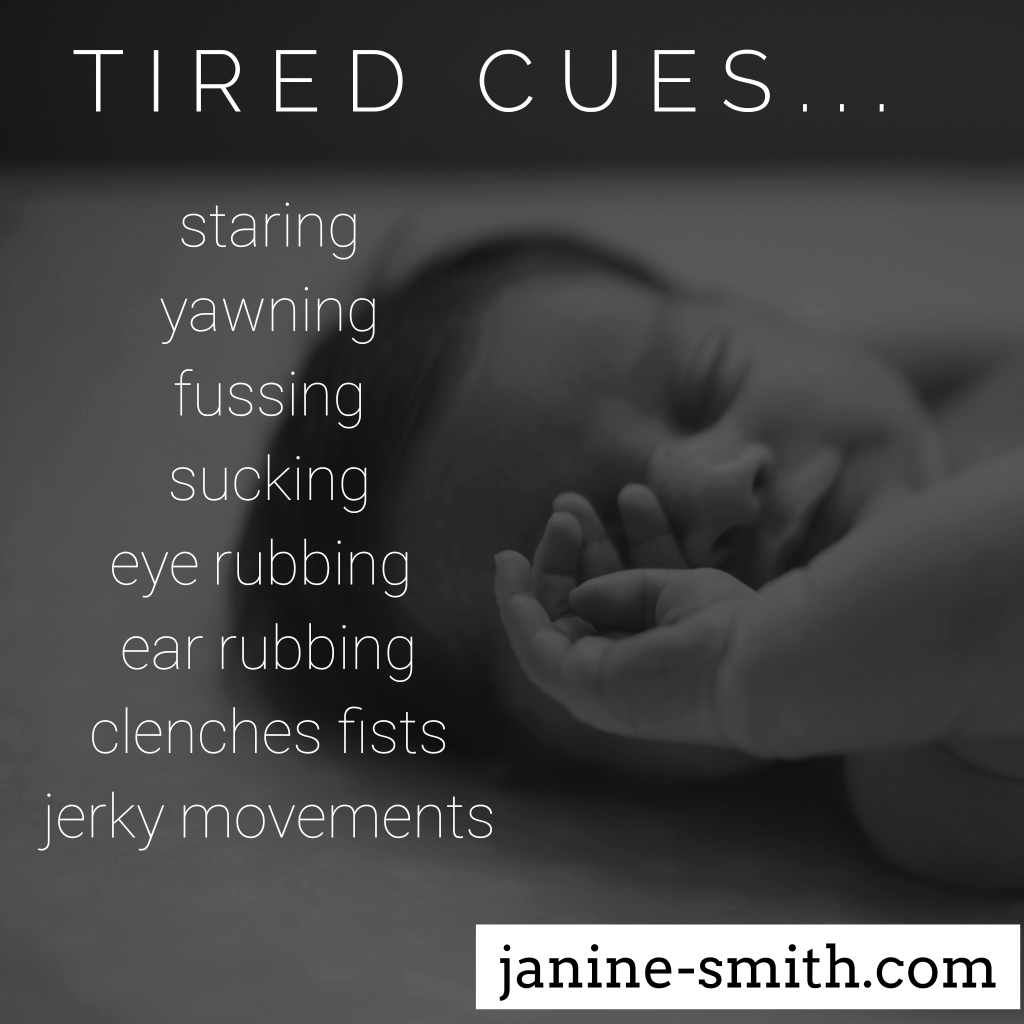
You, love, food, warmth, sleep, security, to be held, to be dry, to have some attention and to be comfortable. Babies only have needs, not wants – they cry to get your attention or to tell you that something is quite right.
In the early weeks…
- Your baby may sleep a lot, especially during the day – with more alert times and crying at night. Plan for night-time parenting so you are ready to be awake to look after your baby.
- He needs to feed little and often, night and day. His stomach can only hold small amounts so expect to have to feed regularly.
- In-between sleep and feeds, he will be wide-eyed and alert. Some babies will be chilled as they start to take in the world around them, others will be overstimulated by noise, lights, people and may need to cling to you to feel calm and safe. Clinging is totally fine, you are not creating any bad habits, you are settling and soothing your baby.
- He may well be curled up, preferring to settle on you. He may sometimes settle and sleep in his crib and he may sometimes need you to feel safe to sleep.
What can help?
- use cushions so you are comfortable in bed and on the sofa, whether breast or bottle feeding
- safe swaddling can help with naps
- eat well, drink plenty of water and rest as much as
- you can
- work as a team with your partner
- get to know your baby
What do you need?
As a new parent you could feel overwhelmed because you don’t have all the answers. This is totally normal, even if this is not your first baby. You need to look after you so you can look after your baby and some of these ideas may help:
- eat well
- enjoy some snacks
- get some fresh air
- sleep/nap/rest as much as possible
- if you are part of a couple, try to work together
- ask for and accept some help around the house and with food
- to feel supported
- to feel listened to, especially if you have any concerns
- remind yourself you are not doing anything wrong
- meet the needs of your baby
- give yourself the time to get to know your baby
- talk to friends and family
You can also arrange a conversation with me if you are feeling overwhelmed or just feel in need of some additional reassurance
Looking After You
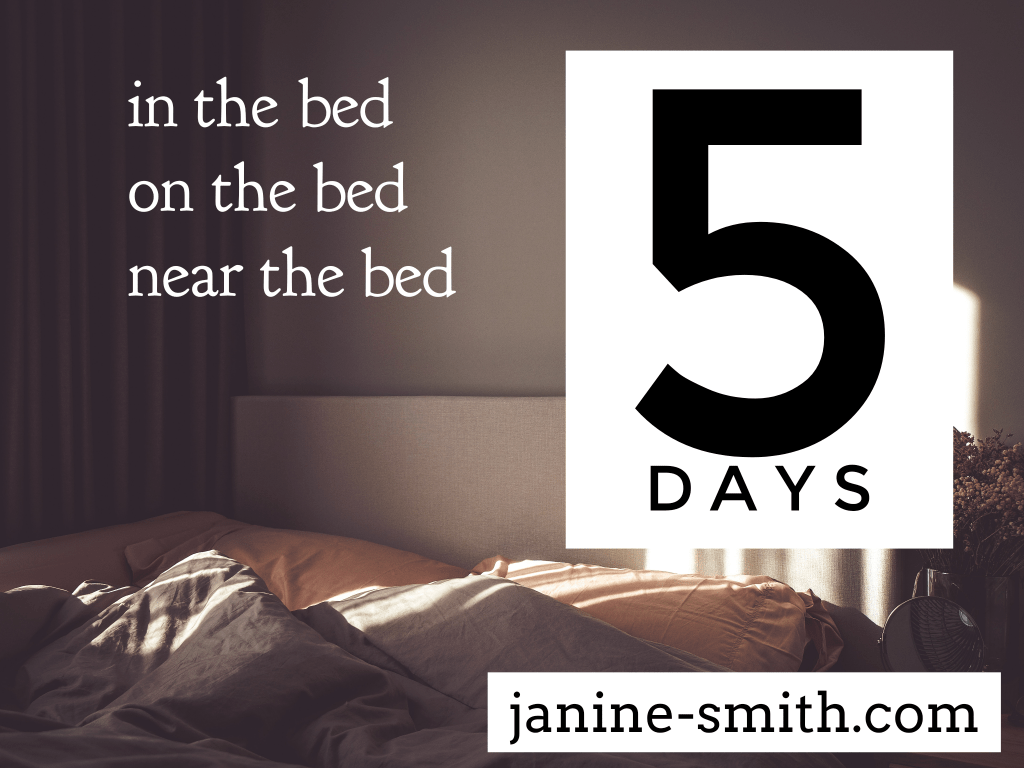
First 5 days
In these early few days, you need to rest, be as comfortable as possible and be looked after as you feed, look after and get to know your baby.
Focus on having 5 days in bed to properly rest and recharge.
6-10 days
This is still a time to rest, recharge and to be looked after. Focus on being on your bed for these 5 days so you are still resting, snoozing and being with your baby but you may be pottering about a bit more.
11-15 days
Depending on how you feel, you could be doing a bit more, getting outside now and seeing more visitors. Even if you feel well, it is still beneficial to be looked after for a bit longer so you are not jumping straight into doing. You may get tired quickly, especially if you have had stitches.
Focus on being around your bed/sofa for these 5 days – and longer if you need it – so you can continueto rest and snooze to aid your recovery.
Postnatal Essentials
Eat as well as possible
Drink plenty of water
Rest as much as possible
Move about
Listen to your body
Get support if you are unsure about anything
Give your body the time it needs to heal
Potential Challenges
FEEDING Breastfeeding can be more challenging than you expect because it is something that you and your baby may have to learn, it doesn’t necessarily come easy, no matter how natural it is. There may be initial issues with latch and conflicting advice – I would recommend seeing a breastfeeding specialist for specific and consistent advice.
Or it could be that the intensity of feeding is unexpected and overwhelming as new babies can want to feed little and often and be close to the breast. This can knock your confidence and you may think you are doing something wrong or not making enough milk. However, chances are it is all normal so it can be helpful to get some breastfeeding support and to speak to someone who is experienced in breastfeeding.
YOUR RECOVERY You could be feeling pretty sore and uncomfortable, especially if you have stitches. Take it easy and don’t rush your recovery – each day needs to be about small steps until you start to feel stronger.
Your recovery will take as long as it takes – some women bounce back quickly while others need longer, especially after a long labour, a caesarean or if there was significant blood-loss or an infection.
If you are unsure about anything, or you feel unwell, seek some medical support.
LOW MOOD Tiredness and low mood can be a normal part of becoming a mum but it can also be overwhelming and concerning for you. Try to talk about how you feel, rest and reach out to your midwife, GP or health visitor as they may be able to arrange some additional support.
AN UNSETTLED BABY Some babies are very unsettled in those early weeks. It could just be that they need time to adjust to their new surroundings or there may something like wind or reflux causing him to be unsettled. If your baby is crying a lot, you need some additional support.
YOUR BABY’S WEIGHT GAIN It can knock your confidence if there are any concerns about how much weight your baby is gaining and it may mean making different decisions about breastfeeding as you may need to supplement with formula. It can help to talk it through so you can make a plan and work out what feels better for you and your baby.
TONGUE TIE If your baby is very unsettled when feeding, if he doesn’t seem to be able to latch onto the boob, if you are experiencing pain when feeding and if your baby’s weight gain is low, this could indicate a tongue-tie.
The sooner this is picked up, the better, You can ask to see a breastfeeding specialist in the hospital or speak to your midwife when you get home. You could also speak to a breastfeeding specialist from La Leche League, who can advise you on what to do. You will need a referral to a tongue-tie clinic for this to be treated.
YOU FEEL CHALLENGED It is possible to worry that you have not bonded with your baby because you haven’t experienced the rush of love you were expecting or looking after your baby is harder than you imagined. You may even question what you have done and whether you have the ability to look after a baby.
This can be a very normal part of the adjustment of becoming a mum – it will come and it will get easier but it might take a bit of time. Talk it through and it can be beneficial to talk to your midwife or health visitor in case you need some additional support.
The most important thing you can do is get some support and reassurance in these early days and weeks.
Please don’t struggle on alone – reach out and get some practical support and reassurance to help as you adjust and get to know your baby. You can book a session with me to talk through the challenges and to make sense of your new responsibilities.
Sources of good support and information
The Breastfeeding Network & Helpline
kellymom.com
breastfeeding information
Welcome To Your Antenatal Course
1. Labour
2. Birth
3. Pain Management
4. Labour & Birth Challenges
5. Meeting Your Baby
6. Your New Baby
7. Relax & Breathe Resources

 antenatal & postnatal specialist
Leave a Reply